
Common Species
Discover 6 species you can support in your garden
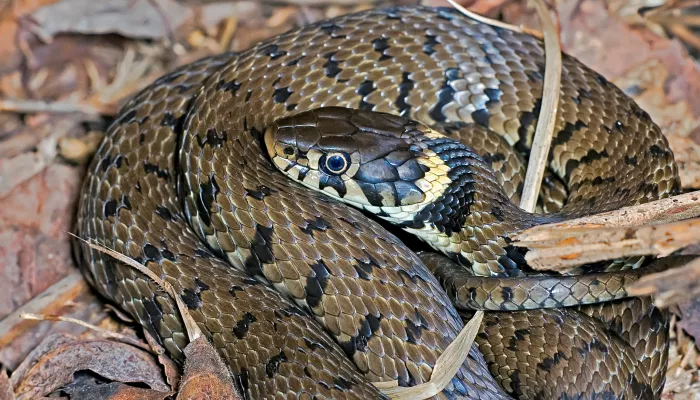
Photo: Kent Wildlife Trust collection
Grass Snake
Natrix helvetica
The UK's largest snake, grass snakes are excellent swimmers often found near water. Non-venomous and harmless to humans, feeding primarily on amphibians. Females can reach over a metre in length. Identified by olive-green coloration with dark spots and characteristic black and yellow collar.
Habitat
Wetlands, ponds, gardens with water features, compost heaps
Garden Tips
Create a wildlife pond, provide log piles for shelter, maintain compost heaps for egg-laying
Conservation Status
Protected under UK law
Best Time to See
April-September, often near ponds and compost heaps
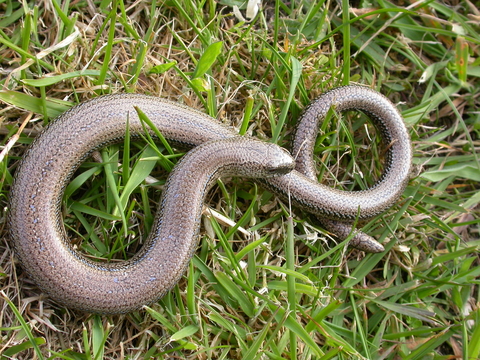
Photo: The Wildlife Trusts
Slow Worm
Anguis fragilis
Despite its snake-like appearance, the slow worm is actually a legless lizard. Completely harmless and beneficial for gardens, feeding on slugs, snails, and insects. The most commonly encountered reptile in UK gardens. Metallic bronze sheen, reaching around 50cm. Females have dark stripes, males show fine blue spots.
Habitat
Gardens, allotments, grasslands, woodland edges. Love compost heaps and log piles
Garden Tips
Leave areas of long grass, create log and rock piles, provide compost heaps, install corrugated iron sheets as basking spots
Conservation Status
Protected under UK law. Common but declining
Best Time to See
March-October, often found under refuges
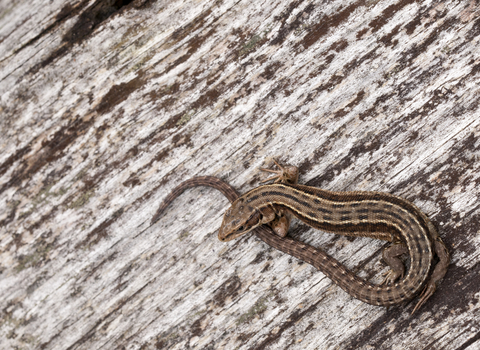
Photo: The Wildlife Trusts
Common Lizard
Zootoca vivipara
The UK's most widespread reptile, found from sea level to mountain tops. Give birth to live young rather than laying eggs. Agile and quick-moving when warmed up. Brown or grey-brown with darker markings, 10-15cm long. Males often have bright orange or yellow undersides during breeding season.
Habitat
Heathland, moorland, woodland edges, gardens with suitable basking spots
Garden Tips
Create south-facing sunny banks, provide rock piles and log stacks, maintain areas of long grass
Conservation Status
Protected under UK law. Widespread but declining
Best Time to See
March-September, basking on sunny surfaces
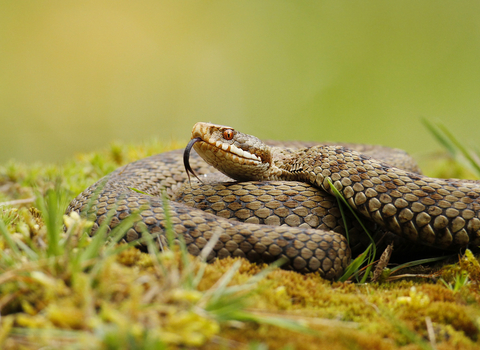
Photo: The Wildlife Trusts
Adder
Vipera berus
The UK's only venomous snake, but bites to humans are rare and usually occur when accidentally disturbed. Shy and will retreat if given the chance. Distinctive black zigzag pattern down the back, red eyes with vertical pupils. Males are silver-grey, females warm brown. 60-80cm in length.
Habitat
Heathland, moorland, woodland edges, coastal dunes
Garden Tips
Generally too shy for most gardens. If present, provide undisturbed areas, log piles, and south-facing banks. Always keep respectful distance
Conservation Status
Protected under UK law. Declining due to habitat loss
Best Time to See
March-September, basking in early spring
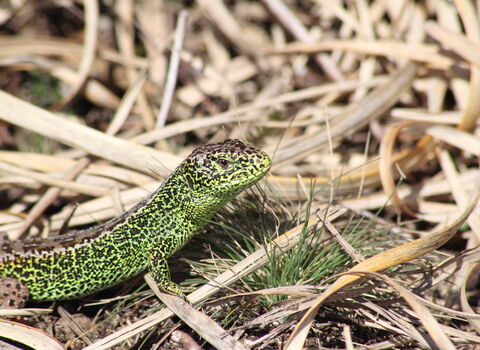
Photo: The Wildlife Trusts
Sand Lizard
Lacerta agilis
One of the UK's rarest reptiles, found only in heathland and coastal sand dunes. Males develop spectacular bright green coloration during breeding season. Larger and stockier than common lizards. Stocky build, 15-20cm long. Breeding males are bright green with dark spots.
Habitat
Lowland heathland and coastal sand dunes in southern England
Garden Tips
Extremely rare in gardens. Requires specialist sandy heathland habitat
Conservation Status
European Protected Species. Critically endangered in UK
Best Time to See
April-September on heathland reserves
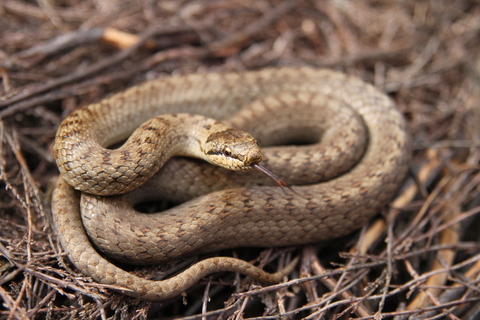
Photo: The Wildlife Trusts
Smooth Snake
Coronella austriaca
The UK's rarest terrestrial reptile, found only in isolated heathland pockets. Non-venomous and feed primarily on other reptiles. Slender, 50-70cm long, grey or brown with mottled pattern. Hazel eyes with round pupils (unlike adder's red eyes with vertical pupils).
Habitat
Lowland heathland in Dorset, Devon, Hampshire, Surrey, and West Sussex
Garden Tips
Not found in gardens. Requires extensive heathland habitat. Extremely rare and protected
Conservation Status
European Protected Species. Critically endangered in UK
Best Time to See
Rarely seen. Best chance on managed heathland reserves in summer
How to Support Garden Reptiles
Simple, practical actions you can take to create a welcoming habitat for these species
Create sunny, south-facing banks and rockeries for basking
Provide log piles, compost heaps, and dense vegetation for shelter
Build hibernation sites with deep, frost-free refuges
Create a pond—grass snakes are excellent swimmers
Leave areas of long grass and wildflowers
Avoid using pesticides and slug pellets