
Common Species
Discover 5 species you can support in your garden
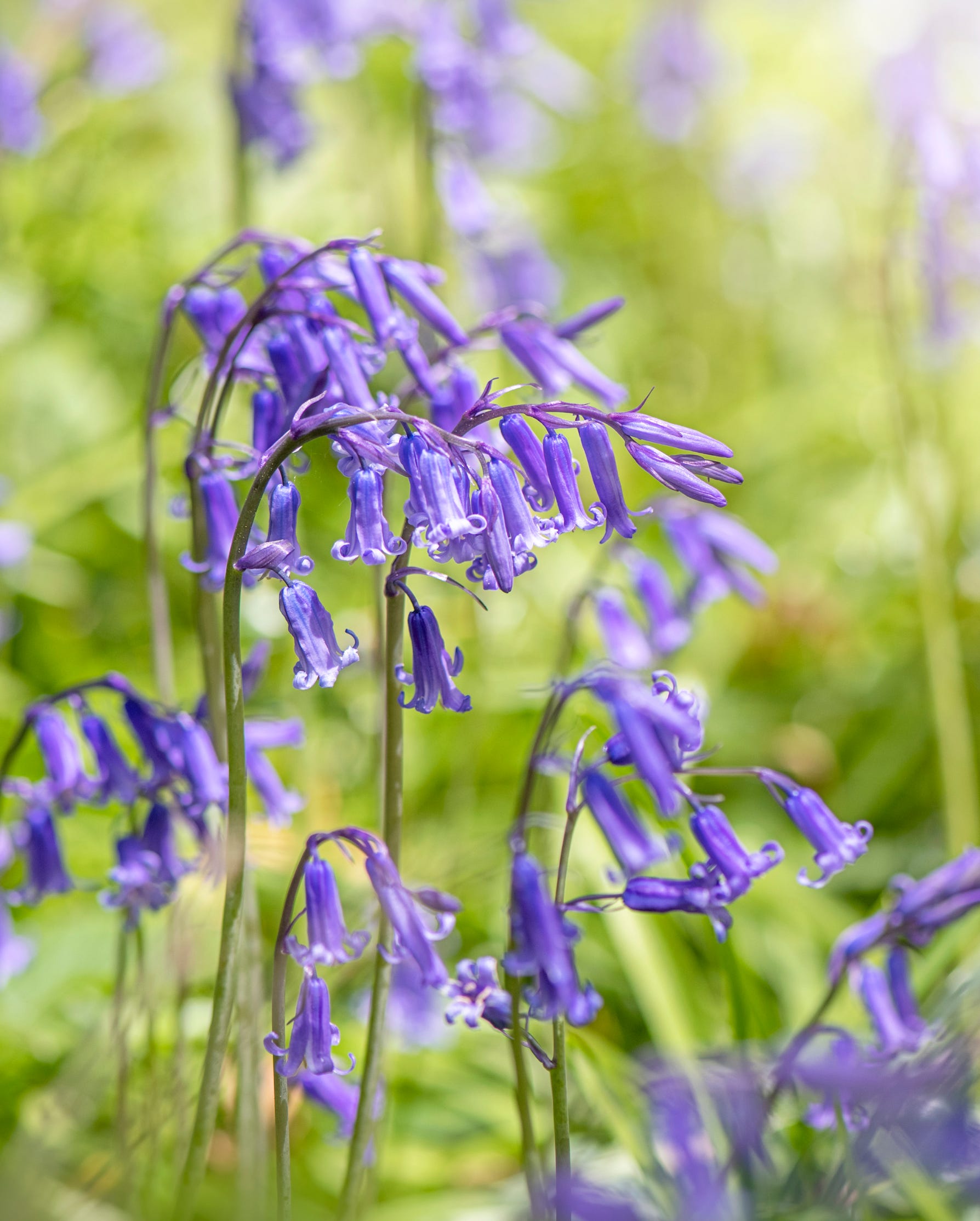
Photo: British wildflowers collection
Bluebell
Hyacinthoides non-scripta
One of Britain's most beloved wildflowers, bluebells carpet woodland floors in spring with their distinctive violet-blue flowers and sweet scent. Native English bluebells have narrow, tubular bells that droop to one side and cream-colored pollen. They're a protected species and indicator of ancient woodland.
Habitat
Deciduous woodland, hedgerows, shaded gardens
Garden Tips
Plant bulbs in autumn in partial shade under trees or shrubs. Prefer moist, well-drained soil rich in leaf mould. Allow foliage to die back naturally after flowering. Never dig up wild bluebells-always buy from reputable nurseries.
Conservation Status
Protected under Wildlife and Countryside Act 1981
Best Time to See
April-May, creating spectacular blue carpets in woodlands
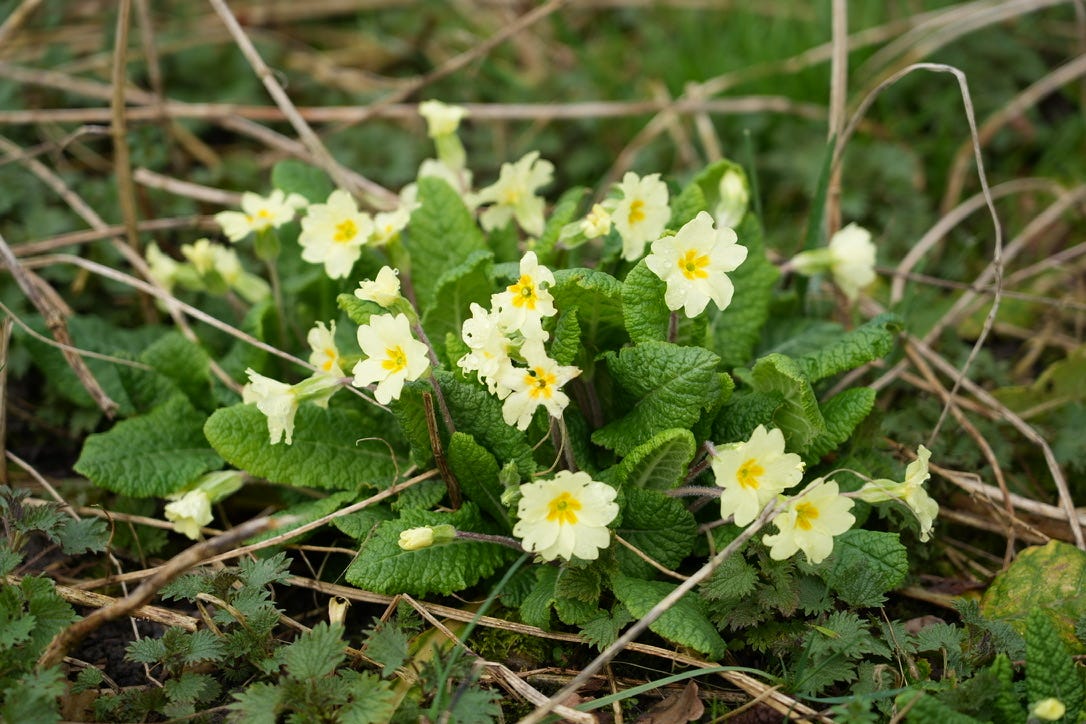
Photo: Wild Way wildflower collection
Primrose
Primula vulgaris
A quintessential British wildflower, primroses herald the arrival of spring with their pale yellow flowers. The name comes from 'prima rosa' meaning 'first rose'. Each flower has five heart-shaped petals with a deeper yellow centre. An important early nectar source for bees and butterflies emerging from hibernation.
Habitat
Woodland edges, hedgerows, grassland, gardens
Garden Tips
Plant in partial shade with moist, well-drained soil. Excellent for naturalizing under deciduous trees. Divide clumps after flowering to increase stock. Self-seeds readily in suitable conditions. Pairs beautifully with violets and wood anemones.
Conservation Status
Common but declining in some areas
Best Time to See
February-May, one of the earliest spring flowers
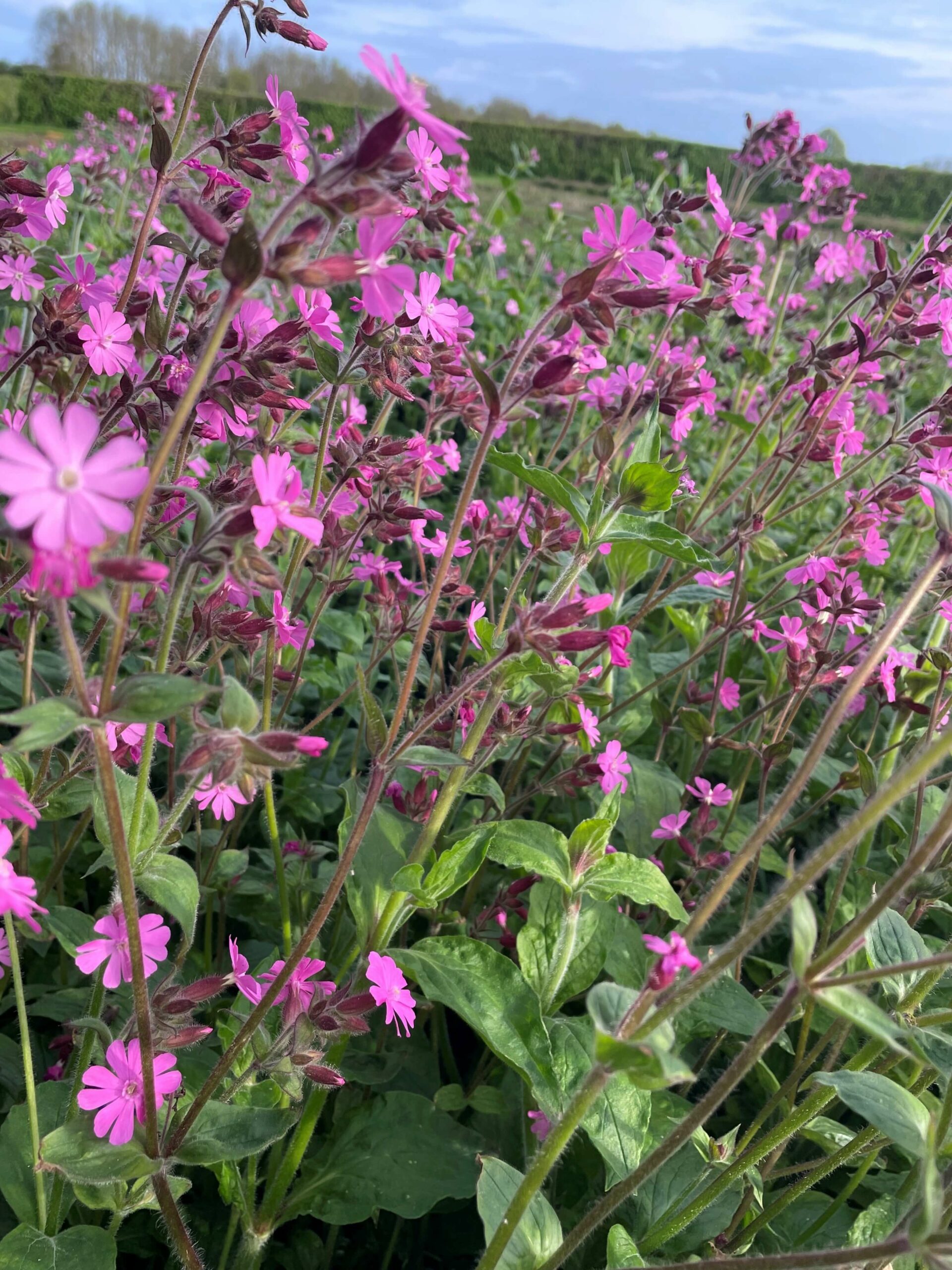
Photo: Naturescape wildflower collection
Red Campion
Silene dioica
A striking wildflower with bright pink-red flowers that light up shady spots. Each flower has five deeply notched petals forming a star shape. Red campion is dioecious, meaning individual plants are either male or female. The flowers are particularly attractive to long-tongued bees and day-flying moths.
Habitat
Woodland, hedgerows, roadside verges, shaded gardens
Garden Tips
Thrives in partial shade with moist soil. Excellent for woodland gardens and shady borders. Self-seeds freely but not invasively. Flowers from May to September, providing long-lasting colour. Cut back after first flowering to encourage a second flush.
Conservation Status
Common and widespread
Best Time to See
May-September, brightening shady woodland edges
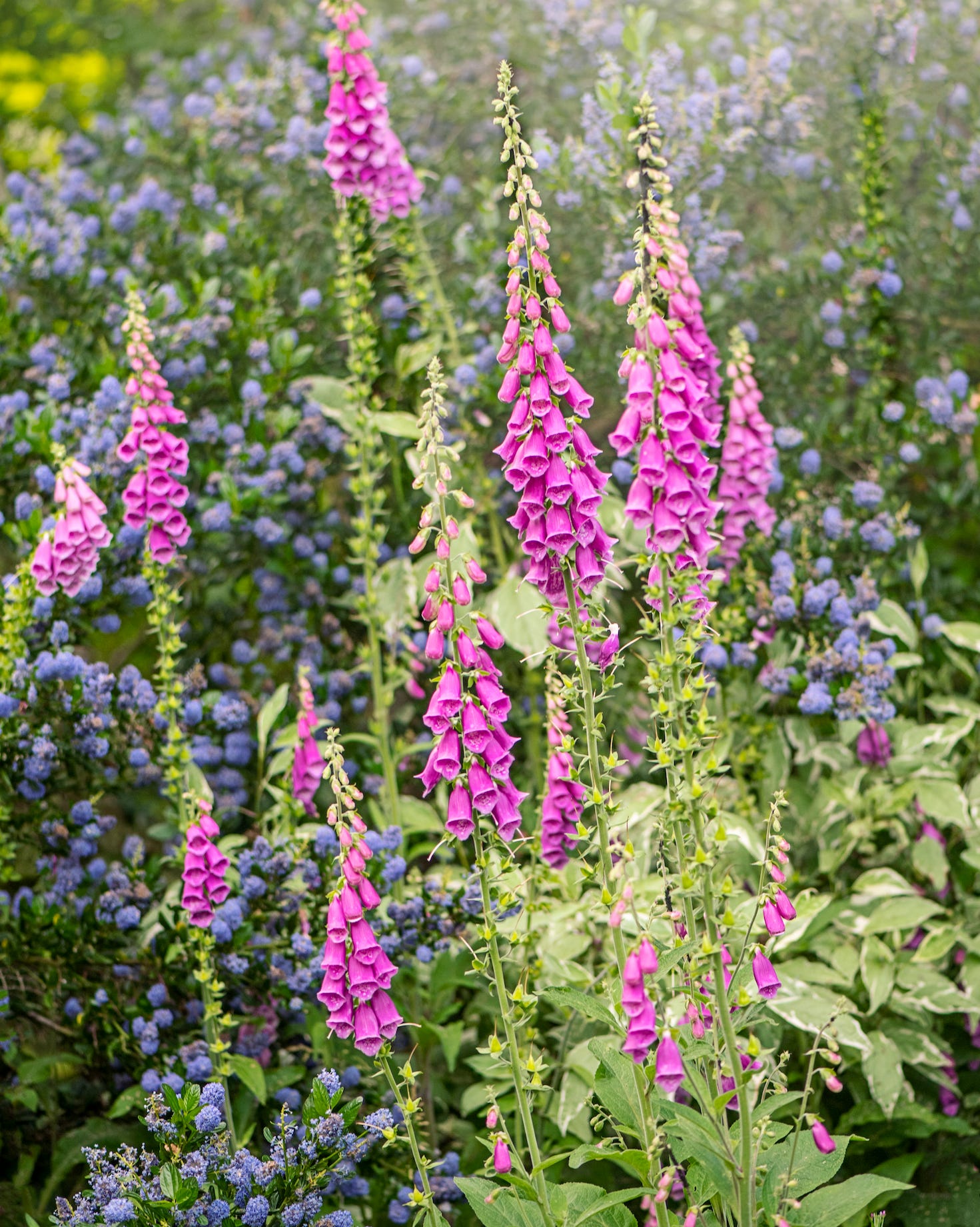
Photo: British wildflowers collection
Foxglove
Digitalis purpurea
Tall, elegant spires of tubular purple-pink flowers make foxgloves unmistakable. The flowers have distinctive spotted throats that guide bumblebees inside. A biennial plant that forms a rosette of leaves in the first year and flowers in the second. All parts are highly toxic if ingested but provide vital nectar for long-tongued bumblebees.
Habitat
Woodland clearings, hedgerows, gardens, disturbed ground
Garden Tips
Prefers partial shade but tolerates sun. Self-seeds prolifically, creating natural drifts. Allow seed heads to mature for self-sowing. Biennial, so plant over two years for continuous flowering. Excellent vertical accent in borders. Warning: all parts are poisonous-wear gloves when handling.
Conservation Status
Common and widespread
Best Time to See
June-September, towering over woodland edges
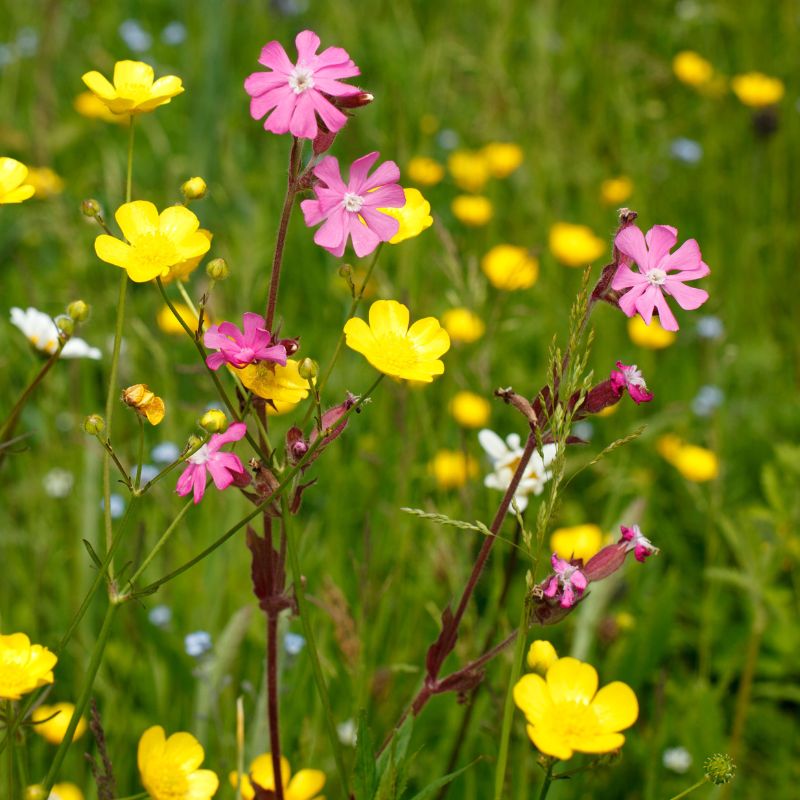
Photo: Native wildflower seed collection
Wildflower Meadow Mix
Mixed native species
A diverse mix of native wildflowers including ox-eye daisy, field scabious, yellow rattle, bird's-foot trefoil, and many others. Traditional wildflower meadows support hundreds of insect species and have declined by 97% since the 1930s. Creating even a small meadow area in your garden provides vital habitat for pollinators, birds, and small mammals.
Habitat
Open grassland, meadows, gardens with sunny areas
Garden Tips
Sow in spring or autumn on poor soil (remove topsoil if necessary). Yellow rattle is key-it parasitizes grass roots, allowing flowers to thrive. Mow once or twice a year after seeds have set. Never use fertilizers. Takes 2-3 years to establish fully. Start small-even 1-2 square meters makes a difference.
Conservation Status
Meadow habitat critically endangered-97% lost since 1930s
Best Time to See
June-August for peak flowering, but provides interest March-October
How to Support Native Plants
Simple, practical actions you can take to create a welcoming habitat for these species
Choose plants native to your region
Create layers: trees, shrubs, and ground cover
Leave seed heads standing through winter
Avoid double-flowered varieties-they have less nectar
Plant in groups for greater impact
Include plants that flower at different times